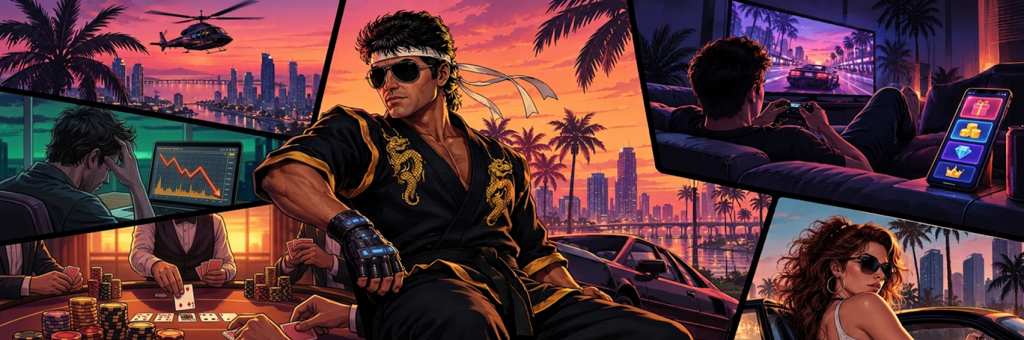
Someone asked Britain’s national statistics office whether a video game could show up in the country’s economic figures. The office declined to speculate.
The game is GTA 6, and the question makes sense once you look at the size of the project. Analysts estimate the budget at up to $1.5 billion, which would make it the most expensive game ever made. Rockstar has not published a figure. It arrives 13 years after the last numbered release in the series. The second trailer drew more than 475 million views in its first 24 hours, which the publisher, Take-Two, called the biggest video launch of all time across platforms.
The game comes out on Thursday, 19 November, and people are already booking the day off.
For affiliates, the date matters for a simpler reason. It lands eight days before Black Friday, in one of the busiest stretches of Q4, and it pulls a large share of a young, online audience away from everything else at the same time.
Netflix Saw It First
In January 2019, Netflix told its shareholders something unusual about its competition. “We compete with (and lose to) Fortnite more than HBO,” the letter said. It added that when YouTube went down worldwide for a few minutes, Netflix viewing and signups jumped.
The point was simple. People have a fixed number of free hours, and anything that fills them is a competitor, whatever category it sits in.
Affiliates compete for those same hours every day. Your emails, pages, and campaigns all ask for a share of your audience’s free time. In launch week, the strongest rival for their evenings will be a game.
Who Goes Quiet, and for How Long
The effect will not hit every audience equally. Economists quoted by The Wall Street Journal expect young men aged 18 to 30 to be the most affected group and estimate that launch week could cost the US economy more than $1 billion in lost productivity.
There is a precedent. When GTA V came out in 2013, a poll by the video game site IGN found that 46% of respondents had booked launch day off, and another 19% planned to call in sick.
The first days will be the most intense, starting on Thursday the 19th and running through the weekend after it. For many fans, the game is likely to fill evenings well beyond that first weekend.
So the first question is how much your audience overlaps with the game’s. If your traffic skews young and male, plan for a real dip. If it doesn’t, the week may look almost normal.
Plan Around the Date
Mark 19 to 22 November in your analytics now. When the numbers dip that weekend, the note stops anyone from blaming a creative, a landing page or a tracking bug. It will also explain the gap when you compare Q4 with last year.
Keep new tests and launches out of that window. Results from a week when part of your audience is somewhere else will be noisy and hard to trust. Start them in the first half of November, so they have clean data before the 19th, or wait until the week after.
Look again at the Black Friday build. Many plans ramp up in the seven days before Black Friday, and this year those seven days are launch week. Starting earlier, or saving the strongest push for 24 to 30 November when more of the audience is back, gives the work a better chance.
Talk to the programs you work with before the week starts. A soft weekend that everyone expected is a planning note. One that nobody saw coming turns into a long email thread.
After the Weekend
People come back to their routines in stages. The week of 23 November is a good moment for re-engagement: a newsletter, an update to a popular page, a message in your community channels. It catches people as they return, right before Black Friday.
Netflix learned to count a video game as a competitor. For one week this November, affiliates should do the same.
At Bro Partners, 19 November is already on the calendar. If you want to plan the rest of Q4 around it together, talk to the team.