The Perfect Storm is here: the Champions League semi-finals, the NBA Playoffs, the IPL league stage, and the Madrid Open have all landed in the same late-April stretch.
Nobody planned it this way. It happened through scheduling cycles, broadcast deals, and league calendars that evolved independently over decades.
The result is the most concentrated convergence of major sporting events on the annual calendar. In 2026, it arrives just as a generation raised on mobile-first sports engagement enters its peak activity years.
For affiliates who understand what that means, this window does not come around twice.
The Lineup
UEFA Champions League Semi-Finals (April 28/29 first legs): Global broadcast reach, the most recognized clubs on the planet, and the kind of stakes that pull in audiences who wouldn’t normally engage with regular league fixtures. No other late-April event matches the Champions League semi-finals for sheer cross-market reach.
NBA Playoffs (underway from April 18): First-round intensity builds with daily props, injuries, and live action suiting repeat visits; the type of live engagement that Gen Z audiences have made their default mode of consuming sport.
Indian Premier League (league stage through late April): In terms of raw daily volume across Eastern audiences, this competition generates numbers that most people consistently underestimate.
Mutua Madrid Open (April 20–May 3): It runs through the entire late-April window, producing constant live opportunities. It is the reliable engine underneath the more spectacular events running alongside it: steady, daily, and consistently productive.
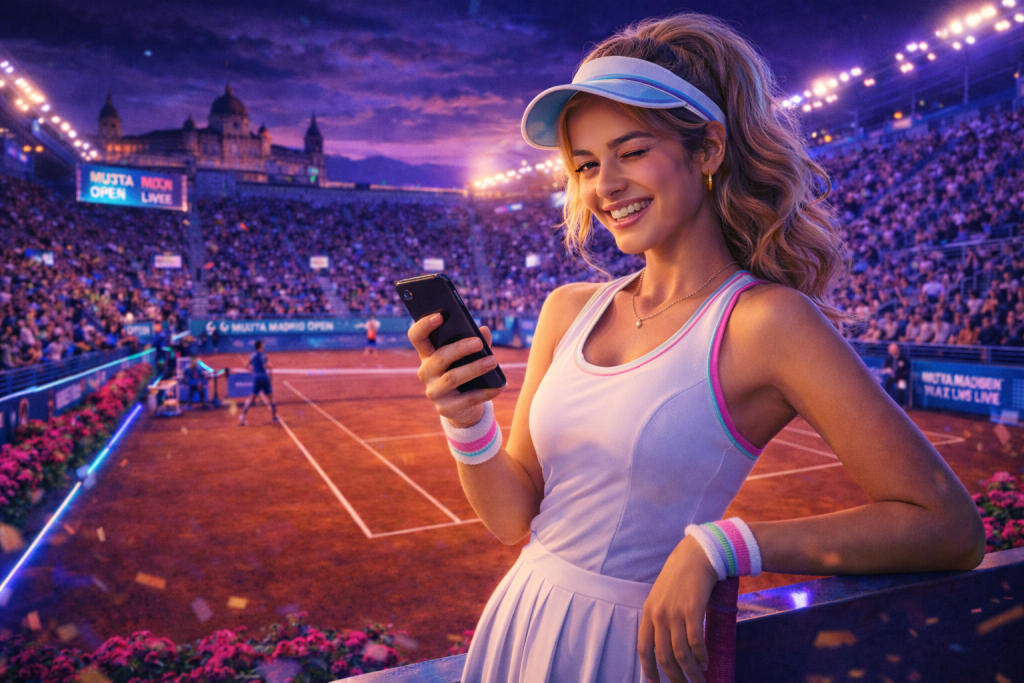
The Generation That Changed the Equation
The convergence of events is not new. However, what is different in 2026 is who is watching and how they engage.
TransUnion’s 2025 consumer data showed Gen Z sports engagement rising meaningfully year over year, driven by a generation for whom mobile-first access to sports markets has been the default.
These are habitual, multi-sport enthusiasts who prioritize live events. Social norms and peer engagement are the strongest predictors of their sports-market intentions.
The Champions League semi-finals, NBA Playoffs, and Madrid Open now function as simultaneous social experiences. At the same time, they are discussed in the same group chats, shared across the same feeds, and acted on through the same mobile interfaces.
Among the 21 to 24 age bracket, squarely within Gen Z, sports app usage is already a habitual behavior rather than a novelty. This is an audience that needs to be met with the right experience at the right moment.
This window is that moment.
What the Storm Means for Traffic
High-converting brands with clean acquisition journeys and fast-loading mobile experiences perform differently in high-volume windows. Programs built for lower-stakes periods cannot keep up in the same way.
The gap between a good experience and a mediocre one shrinks in these moments. Audiences have multiple tabs open and a Champions League kick-off forty minutes away.
Bro Partners’ portfolio covers the full width of this window. The brands span football, basketball, cricket, and tennis. They also include a dedicated sports brand built for the multi-sport, live-first audience that defines late April. When the storm arrives, the infrastructure is already there.
The Window Closes
The Champions League first legs are done by April 30. The NBA moves into second-round territory where schedules thin out. The Madrid Open reaches its final stages. The IPL continues, but the convergence effect dissipates.
What remains is whatever affiliates built during the window: the first-time conversions, the audience value initiated during a peak engagement period, and the compounding returns.
Bro Partners carries the brands this window was made for. Get in before it closes.